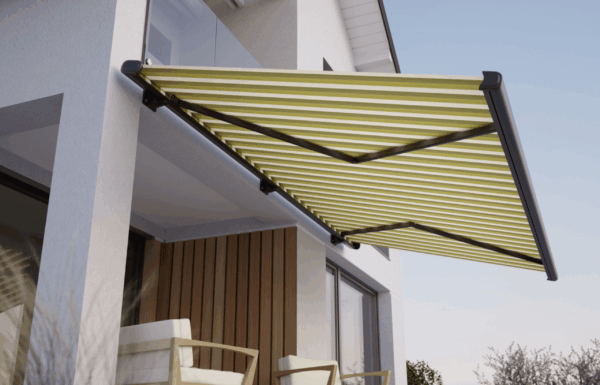
Which Fabric Makes a Waterproof Retractable Awning Last?

Which Fabric Makes a Waterproof Retractable Awning Last?

You invest in a waterproof retractable awning for one simple reason: to gain reliable, usable outdoor space. You want to host dinner parties, enjoy a glass of wine on a mild evening, or simply stop the intense summer sun from overheating your patio.

However, the usable life of that space depends entirely on one often-overlooked component: the fabric. A waterproof retractable awning is only as good as its textile. If the material quickly fades, fails under sustained hydrostatic pressure, or grows mildew, your investment turns into a liability.

The difference between a temporary sunshade and a durable, lasting waterproof retractable awning lies in the technical specifications of the integrated system. Longevity comes from specific chemical treatments and how the base fibre is coloured, not just the thickness of the material.

The Difference Between Water-Resistant and Truly Waterproof

Many inexpensive waterproof retractable awnings are labelled ‘water-resistant’. This is a significant marketing difference you need to understand:

  • Water-Resistant: These fabrics typically have a light coating applied to the surface. They handle brief drizzles and dew but quickly saturate under prolonged or heavy rain. Once saturated, this leads to ponding (water pooling) on the surface, compromising the fabric tension and potentially causing leaks.
  • Truly Waterproof: A reliable waterproof retractable awning fabric requires a substantial coating, often polyurethane or PVC, applied to the back of the weave. This coating creates a non-porous barrier, preventing water penetration even during heavy downpours. We also confirm the necessary pitch (angle) is set during installation to ensure rapid water runoff, reducing the risk of pooling.

Choosing a truly waterproof fabric ensures your awning protects your guests and outdoor furniture during unexpected downpours, offering peace of mind and maximising the usability of your patio.

To ensure you invest in a fabric that truly delivers reliable, season-long protection for your site, why not book a brief, expert consultation to discuss your specific needs?

Fabric Showdown: Why Coated Acrylic and Polyester Define Durability

The best fabrics for outdoor use balance strength, lightfastness, and water-repellency. Two materials stand above the rest for high-quality retractable awnings:

1. High-Performance Coated Polyester

Polyester is inherently strong, durable, and relatively lightweight. It is an excellent, cost-effective base material, but its water resistance is completely reliant on the coating.

  • The Coating: For waterproofing, polyester is coated with a clear film, usually polyurethane (PU) or sometimes PVC. This creates the impenetrable barrier. The polyester’s lifespan is tied to the coating’s integrity. Once that delaminates (peels) due to cheap manufacturing or homeowners using aggressive chlorine cleaning agents, the fabric is no longer waterproof.
  • Best Use: This material is superb for homeowners seeking high tensile strength and reliable waterproofing on a more conservative budget. We ensure the PU coating is factory-applied for consistent, long-term performance.

2. Solution-Dyed Acrylic (The Longevity Champion)

Solution-dyed acrylic is the premium material for outdoor use, defining the functional life of a high-end waterproof retractable awning. Its superiority comes from how the colour is locked in, not just the weave:

  • Solution-Dyeing: Standard fabrics are dyed after the yarn is spun, meaning the colour sits only on the fibre’s surface, making it susceptible to fading. Solution-dyed acrylic is coloured by adding pigments to the polymer solution before the fibres are spun. The colour permeates the entire fibre.
  • Fade Resistance: This process makes the fabric incredibly resistant to fading, even under harsh UV exposure. This inherent colouring also makes the fabric highly resistant to abrasion during the thousands of retraction cycles. For a south-facing aspect, this is the most effective choice, providing the best return on investment (ROI) against premature replacement.
  • Mould Resistance: Acrylic fibres are naturally breathable yet still waterproof due to advanced finishing treatments. This breathability reduces trapped moisture, making the fabric highly resistant to mould and mildew growth, a common problem with lower-quality coatings.

High-quality acrylic gives a waterproof retractable awning the longest aesthetic and functional life, making it the choice for permanent fixtures.

The Three Invisible Threats to Awning Fabric

Even the best fabrics face challenges outdoors. We need to plan for three main threats to ensure your awning lasts its full expected lifespan:

  • UV Degradation: UV rays are the biggest enemy. They break down the chemical bonds in cheap dyes and eventually compromise the protective coatings. Solution-dyed acrylic offers the best defence here, preventing the colour from “burning out.”
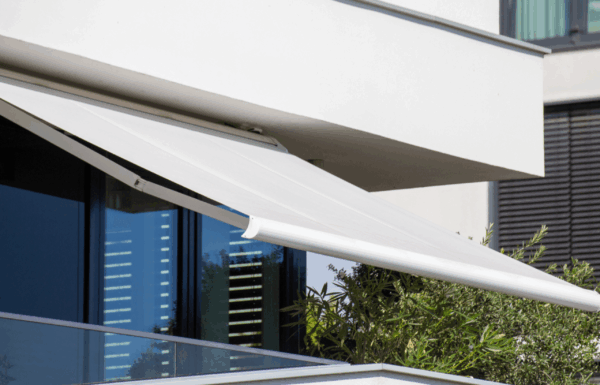
  • Hardware Protection: A quality fabric requires a quality frame. We specify corrosion-resistant aluminium frames and arms that house the mechanism. Choosing a full cassette model ensures the fabric is fully sealed and protected from rain, UV, and debris when retracted, significantly extending its working life by protecting the motor gearbox and sensor cabling.
  • Mildew and Rot: While acrylic and polyester fibres do not rot, organic debris (pollen, leaves, bird droppings) sitting on a damp fabric surface will host mildew. We often find mildew forms first where the fabric rubs against the headbox when retracted damp. Proper cleaning and ensuring the awning is fully retracted when dry are essential maintenance tasks that protect the waterproof integrity.
  • Abrasion and Tension: The frame and motor must be robustly engineered. Uneven spring tension or poor run-out alignment doesn’t just cause friction; it stresses the torsion bar and leads to premature mechanical failure. We assess your wall structure and opening size during the survey to prevent this mechanical stress.

Making the Right Choice: Tailored Fabric for Your Home

Choosing the correct fabric for your waterproof retractable awning depends on where you live and how you plan to use the space. Do you require maximum UV stability and fade resistance for a south-facing garden? Or do you need high-tensile strength for a large surface area?

The ultimate longevity of your awning is a combination of the fabric’s intrinsic quality (solution-dyed vs. coated) and the mechanical system’s precision. We guide you through the pros and cons of each material, explaining the technical coatings and treatments applied to ensure durability.

To ensure your investment delivers decades of reliable outdoor living, we recommend a tailored consultation to discuss specific UV indexes, waterproofing treatments, and frame specifications that ensure your awning is perfectly suited to your home and climate.

Request Your Bespoke Fabric Consultation

Do not leave the performance of your outdoor space to chance. Superior water resistance, fade protection, and seamless motor operation start with technical advice.

When you book a fabric consultation with us, you partner with an exterior specialist who confirms sun exposure, structurally inspects your wall fixing points, and designs the pitch. During the survey, we inspect the wall substrate and confirm the necessary pitch for maximum water runoff, ensuring the structure won’t fail under load. You receive material samples and a detailed technical report outlining the necessary hardware and coating treatments.

Post-survey, we confirm your fixed price and deliver a detailed installation plan, all covered by our comprehensive 10-year guarantee. We focus on delivering a long-lasting, functional extension of your home. Request a quote today to receive your custom plan and fabric samples.


WE ARE HERE TO HELP!