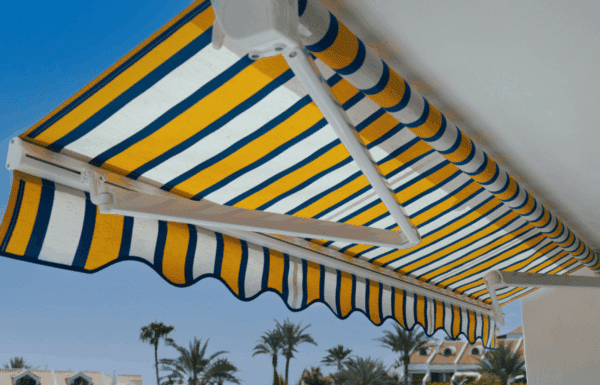
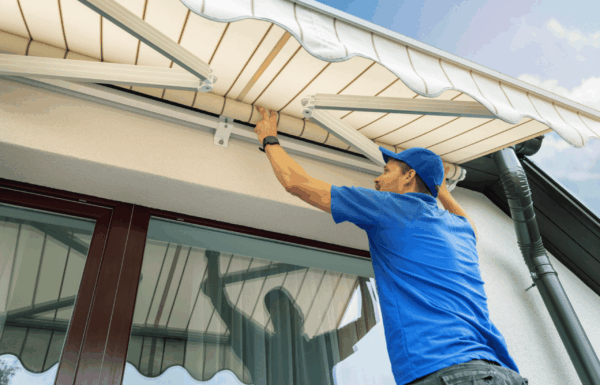
External shading systems face constant environmental aggression from UV radiation and acidic rain. A high-quality waterproof retractable awning relies on resilient materials, yet its lifespan depends on how you manage the fabric and moving parts. Proper care prevents motor strain and protects your property’s masonry from the stress of a failing installation.
To clean a waterproof awning without damaging the coating, use a soft-bristle brush for dry debris and a low-pressure garden hose for rinsing. High-pressure washers strip the fluorocarbon finish that provides the fabric’s hydrostatic resistance. When this coating vanishes, the material becomes porous and holds moisture, triggering mould growth.
Solution-dyed acrylic fabrics lock colour into the fibre at a molecular level to resist fading. To maintain the “beading” effect on a waterproof retractable awning, brush away organic matter such as leaves and urban soot while the material is dry. This prevents tannins from staining the weave and reduces the need for aggressive chemical cleaning later. Always allow the fabric to air-dry completely before retraction. Trapping moisture inside a rolled unit creates a “greenhouse effect” that ruins premium fabric in a single season.
Electric awnings click or shudder because of friction in the folding arm pivot points. This resistance forces the motor to work harder, risking thermal cut-out or premature burnout. High-tension springs within these arms must move freely to keep the fabric taut across the entire span, which prevents the material from sagging or flapping in light breezes.
Every six months, inspect the powder-coated aluminium frame of your waterproof retractable awning for signs of electrolytic corrosion. This chemical reaction occurs when moisture traps salt or pollutants against the metal, potentially bubbling the paint finish. Apply a dry silicone lubricant to the moving joints to ensure smooth operation. Avoid heavy greases because they attract dust and create a grinding paste that wears down the bushings. A clean, lubricated frame ensures the “soft-close” mechanism functions correctly and protects the internal limit switches from unnecessary impact.
If you hear a “chattering” sound, check the lateral arms for alignment. A variance of even 5mm at the lead rail prevents a weather-tight seal and puts unnecessary torque on the motor.
UV radiation degrades the tensile strength of stitching through photodegradation. Standard polyester threads often brittle and snap after three years of exposure, causing seams to gap. Meanwhile, acidic urban rainfall corrodes powder-coated finishes through a process known as “chalking.”
In London and the Home Counties, these environmental factors are particularly aggressive due to higher concentrations of particulate matter. We use GORE-TEX thread in our installations because it is impervious to UV rays and chemical pollutants. This ensures the seams of a waterproof retractable awning do not split under high tension, which keeps the canopy structurally sound for years longer than standard alternatives. A quick wipe-down of the cassette with a damp cloth every few months prevents acidic build-up and avoids the cost of a total frame respray.
Leave a waterproof retractable awning out in light rain only if the pitch is set to at least 14 degrees. In heavy rain or high wind, the unit must be retracted to prevent structural damage.
Retract the unit when wind exceeds 20mph (Force 5). We integrate automated wind sensors into our Somfy-motorised installations to act as a critical safety fail-safe. These sensors detect structural vibrations rather than just wind speed, triggering immediate retraction when the movement hits a specific threshold. This automation protects your investment even when you are away from the property or if a sudden gust catches you off guard.
To check if awning fixings are safe, inspect the expansion bolts for rust streaks and the surrounding brickwork for hairline cracks. The mechanical link between the waterproof retractable awning and your home is a primary safety point. Vibration from the motor and wind-drag put constant stress on these mounting brackets during every cycle.
In properties with London stock brick or a lime-mortar substrate, these checks are vital to prevent the brackets from working loose. Rust streaks appearing like thin tea-stains against the brickwork indicate the fixings require professional attention. If a bracket shows movement, the arm geometry of the waterproof retractable awning shifts, which eventually leads to a catastrophic mechanical failure. Addressing these signs early prevents the far more expensive task of repairing damaged masonry.
Since 2006, our team has specified and installed external shading systems built for the British climate. Maintenance is more effective when the initial installation of a waterproof retractable awning uses correct tensioning and high-tensile components. If your system is creaking or the fabric is losing its water-shedding ability, it requires professional recalibration.
Contact our surveyors today to book a Summer-Readiness Maintenance Audit for your awning.